
Strategies & Resources
Scaffolding that supports how your mind works
External supports can ease working memory strain without relying on willpower alone. These ideas are starting points to explore, not rules to follow.

Three areas to explore
Time, space, and starting
Each area offers simple options. Try one at a time and keep what fits your routine.

Time
Visual timers
Timers that show time passing as a shrinking shape can make duration easier to sense. Many readers find them useful for focused work blocks and transitions.

Space
Simple workspace setup
Clearing one surface and keeping only the current task within reach can reduce distraction. Small, consistent set-ups tend to be easier to maintain than elaborate ones.
Starting
Body doubling
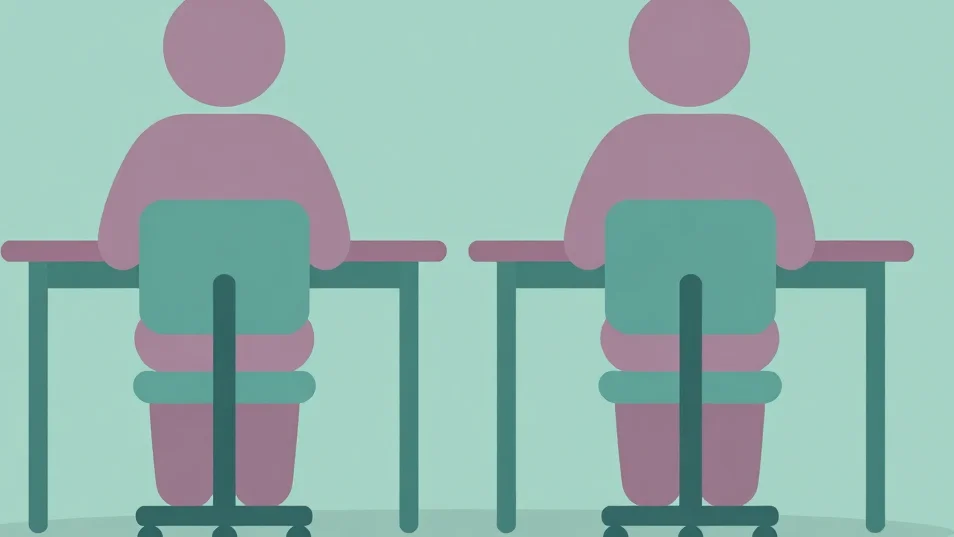
Working alongside another person, in person or online, can help some people begin and stay with tasks. It is one option among several.
How to experiment
Test one change at a time
01
Choose one routine
Pick a single moment of your day, such as starting work or leaving the house, that feels like a consistent source of friction.
02
Add one support
Introduce one tool or method, like a visual timer or a single capture note, and use it for one to two weeks.
03
Notice what changes
Track simply whether the routine felt easier, neutral, or harder. Note what you observed without judging yourself.
04
Keep, adjust, or drop
Keep what sustainably helps, adjust what partly works, and let go of what does not. Trial and error is the method.