
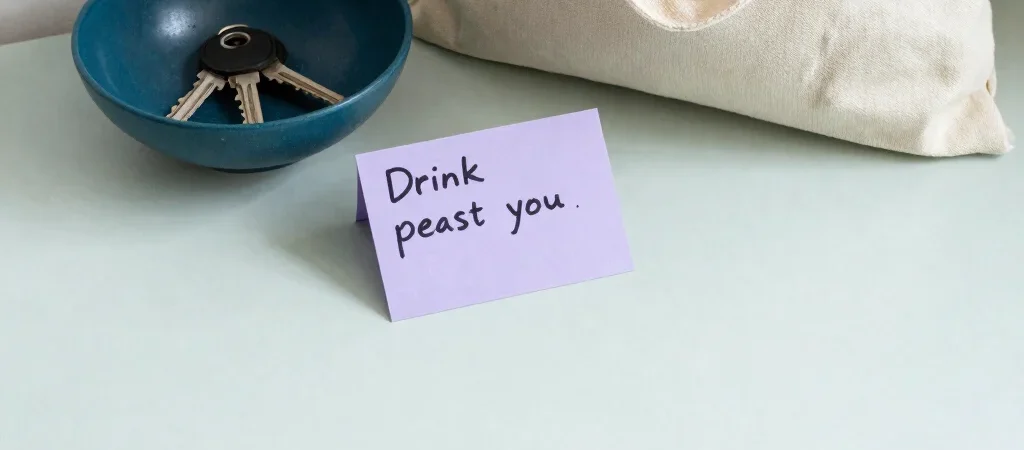
The keys are in the coat pocket, the appointment is in a calendar app, and the form is somewhere on the kitchen table. When a routine relies on keeping every detail in mind, one interruption can send the whole sequence sideways. A useful strategy reduces the number of things a person has to remember at once.
Make the next step visible
Try placing the item needed for tomorrow beside something you already use, such as setting a lunch container next to your bag. A short note at the point of action can work better than a long list stored on a phone you may not open. The aim is not to create a perfect system; it is to make the next step easier to notice.
Reduce decisions in the moment
If mornings are consistently rushed, choose clothes or pack a bag the night before, if that fits your schedule. If starting a large task feels murky, write down one concrete first action, such as opening the document and naming the file. Small preparations can reduce friction, though they will not make every day predictable.
Keep what earns its place
Test one change in one routine before adding more reminders, apps, or rules. After a week or two, ask whether it helped, created extra work, or needs adjusting; a strategy is useful only if it fits the person using it. These ideas are educational and are not a substitute for individualized professional advice.